
Unlock Your Macronutrient Potential
Master the science of protein, carbohydrates, and fats. Learn how to balance your macros for optimal health, energy, and performance with Balanced Meal Guide's comprehensive nutritional insights.
The information on this site is for educational purposes only and does not constitute medical advice. Always consult a qualified healthcare professional before making health decisions.
Key Nutritional Metrics
Understanding the fundamentals of macronutrient balance
Recommended Protein Intake
Daily calories from protein for muscle support and recovery
Carbohydrate Balance
Essential energy source for daily activities and workouts
Healthy Fat Content
Critical for hormone production and nutrient absorption
Calories Per Gram
Protein and carbs deliver 4 kcal/g; fats provide 9 kcal/g
Understanding Protein Intake
Protein is the cornerstone of muscle development, immune function, and tissue repair. Unlike fats and carbohydrates, your body does not store excess protein, making consistent intake essential. The recommended daily allowance varies based on your activity level, age, and fitness goals.
For those engaged in regular strength training, protein requirements increase significantly. Athletes often benefit from 1.6 to 2.2 grams per kilogram of body weight daily. Meanwhile, sedentary individuals require approximately 0.8 grams per kilogram to maintain basic metabolic functions.
Quality protein sources include lean meats, fish, eggs, dairy products, legumes, nuts, and seeds. Distributing protein intake evenly across meals optimizes muscle protein synthesis throughout the day.

Macro Breakdown Guide
Complete overview of proteins, carbohydrates, and fats
Protein
Essential amino acids building block for muscles, enzymes, and hormones. Required for tissue repair and growth.
Best Sources:
- • Chicken breast and turkey
- • Salmon and white fish
- • Eggs and Greek yogurt
- • Beans and lentils
- • Nuts and seeds
Daily Goal: 1.2–2.2g per kg of body weight
Carbohydrates
Primary energy source for brain and muscles. Complex carbs provide sustained energy; simple carbs offer quick fuel.
Best Sources:
- • Whole grain bread and pasta
- • Oats and brown rice
- • Sweet potatoes
- • Fruits and berries
- • Legumes and vegetables
Daily Goal: 4–7g per kg of body weight
Healthy Fats
Essential for hormone production, vitamin absorption, and brain health. Choose unsaturated fats over saturated sources.
Best Sources:
- • Olive and avocado oils
- • Fatty fish like salmon
- • Avocados and nuts
- • Seeds and nut butters
- • Dark chocolate
Daily Goal: 0.5–1.5g per kg of body weight
Calculate Your Perfect Ratio
Follow our proven three-step process to determine your ideal macronutrient balance
Determine Your Goal
Identify whether you're focused on weight loss, muscle gain, or maintenance. Your goal directly influences your macronutrient distribution and daily calorie targets.
Calculate Baseline Calories
Use your basal metabolic rate and activity level to determine daily calorie needs. This foundation helps you distribute macros accurately across meals.
Track and Adjust
Monitor your progress weekly and adjust ratios as needed. Our flexible approach allows for personalization based on real-world results.
Standard Macro Ratios
For Weight Loss
Protein 35% | Carbs 35% | Fats 30%
For Muscle Gain
Protein 35% | Carbs 45% | Fats 20%
For Maintenance
Protein 30% | Carbs 45% | Fats 25%
Food Sources by Macronutrient
Explore diverse options for each macro category
Premium Protein Sources
Lean meats, fish, eggs, and plant-based proteins deliver essential amino acids for muscle development and recovery. Include a variety to obtain all amino acid profiles.
- Poultry and lean beef
- Omega-3 rich fish
- Eggs and dairy
- Beans and tofu

Complex Carbohydrate Sources
Whole grains, vegetables, and fruits provide sustained energy with essential fiber, vitamins, and minerals. Prioritize complex carbs for stable blood sugar and long-lasting fuel.
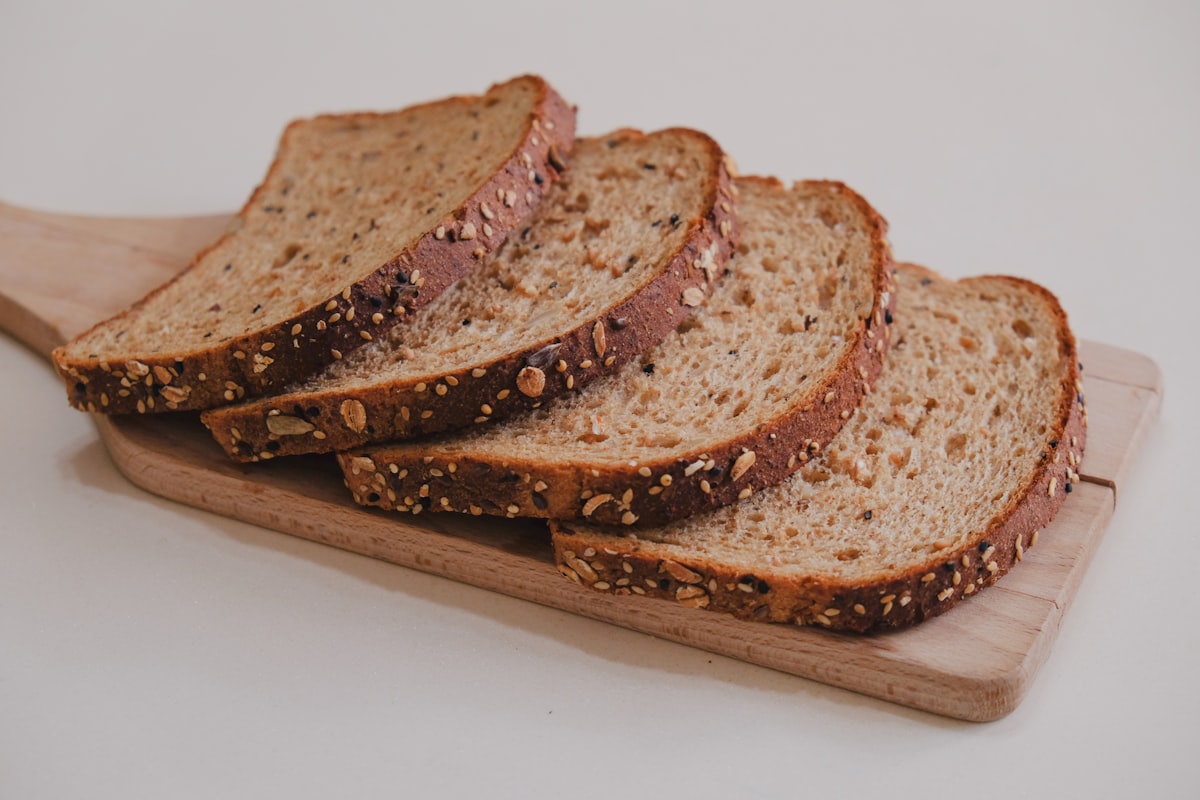
- Whole grain breads
- Brown rice and oats
- Sweet potatoes
- Fruits and berries

Healthy Fat Sources
Unsaturated fats support brain health, hormone production, and nutrient absorption. Include sources of omega-3 and omega-6 fatty acids for optimal balance.
- Olive and avocado oil
- Fatty fish and salmon
- Nuts and seeds
- Avocados and nut butters

Assembling Balanced Meals
Combine all three macronutrients in each meal for satiety, stable energy, and proper nutrient absorption. A simple formula: palm-sized protein + fist-sized carbs + thumb-sized fats.
- One protein source
- One carbohydrate
- One healthy fat
- Vegetables for fiber
Common Questions About Macros
Find answers to frequently asked questions about macronutrient balance
What is the ideal macro ratio for beginners?
The standard balanced ratio for beginners is approximately 30-35% protein, 40-45% carbohydrates, and 25-30% fats. This distribution supports muscle maintenance, sustained energy, and overall health while remaining flexible enough for individual preferences and goals.
How often should I adjust my macros?
Review your macronutrient intake every 2-4 weeks based on your progress toward fitness goals. If you're not seeing desired results, adjust protein by ±5g, carbs by ±10g, or fats by ±3g and reassess after another 2-3 weeks. Small, consistent tweaks work better than drastic changes.
Can I exceed my daily fat intake?
While fats are calorie-dense (9 calories per gram), healthy fats are essential for hormone production and brain health. Exceeding your fat target occasionally isn't harmful, but consistently overeating fats may lead to excess calorie intake, potentially hindering weight loss goals. Stay mindful of portions.
Are carbs before bed problematic?
Carbohydrates at night are not inherently problematic if they fit within your daily caloric and macro targets. However, complex carbs 2-3 hours before sleep are preferable to simple sugars, which may spike blood sugar and potentially interfere with sleep quality in some individuals.
How do I track macros accurately?
Use a food scale and macro tracking apps like MyFitnessPal or Cronometer to log everything you eat and drink. Weigh solid foods rather than estimating portions. After a few weeks, you'll develop better visual portion awareness. Track consistently for at least 2-3 weeks to identify patterns and make informed adjustments.
What if I'm vegetarian or vegan?
Plant-based protein sources include legumes, tofu, tempeh, nuts, seeds, and whole grains. Combine complementary proteins (rice and beans, hummus and pita) throughout the day to ensure all essential amino acids. Consider supplementing with a plant-based protein powder to meet higher daily targets more conveniently.
Ready to Master Your Macros?
Discover personalized nutrition strategies and meal planning guides from our editorial team. Learn how to optimize your diet for your specific goals.
Browse ArticlesHave Questions About Nutrition?
Our detailed FAQ section covers common nutritional concerns, implementation strategies, and real-world application of macronutrient science. Get the information you need to make confident dietary choices.
Explore FAQWhy Choose Balanced Meal Guide?
Evidence-based nutrition information delivered by our editorial team
Comprehensive Guides
In-depth articles on macronutrient science, meal planning strategies, and nutritional optimization tailored to various lifestyle goals.
Meal Planning Tools
Interactive calculators and customizable meal plans designed to help you achieve your nutritional goals with ease and confidence.
Expert Nutrition Advice
Evidence-based recommendations from certified nutritionists to support your journey toward better health and wellness.
What Our Users Say
Trusted by thousands on their nutrition journey
Sarah M.
Fitness Enthusiast
"Balancedmealguide transformed how I approach nutrition. The meal plans are practical and actually sustainable!"
James L.
Health Coach
"I recommend Balancedmealguide to all my clients. The science-backed content is invaluable and easy to understand."
Maria P.
Wellness Coach
"Finally, a resource that makes balanced eating accessible and achievable for everyone. Highly recommended!"
Start Your Nutrition Journey Today
Join thousands of users who are achieving their health goals with evidence-based nutrition strategies.
Frequently Asked Questions
Everything you need to know about Balancedmealguide